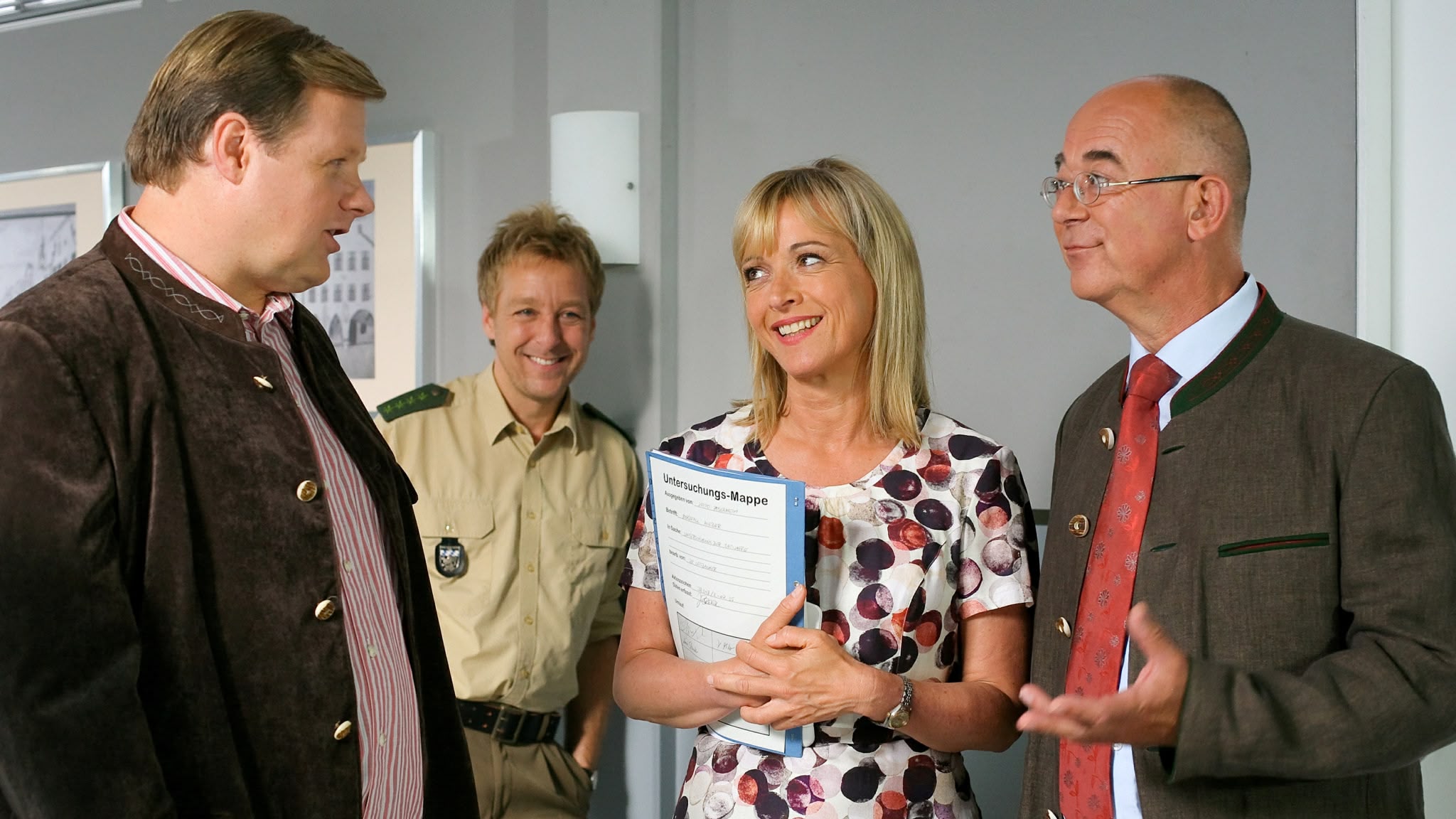
The Mysterious Demise of Zita Waldner: A Case for Stadler and Hansen
The picturesque Bavarian town of Rosenheim, usually a haven of tranquility, once again became the backdrop for a chilling mystery when the prominent hotel owner, Zita Waldner, was found brutally murdered. Her shocking death sent ripples through the community, setting the stage for one of the most intriguing investigations tackled by Kommissare Anton Stadler and Sven Hansen. This tragic event, a stark example of a
Tod In Nachbars Garten: Zita Waldner's Shocking End scenario, encapsulated the unsettling reality of crime surfacing in seemingly idyllic settings, a hallmark of the beloved "Rosenheim Cops" series.
Zita Waldner, the esteemed proprietor of the 'Sonnenblick' hotel, was a well-known figure, deeply entrenched in the social fabric of Rosenheim. Her upcoming 75th birthday, a milestone to be celebrated with a grand concert at the local music academy, was highly anticipated. It was this very celebration that had her scheduled for a crucial meeting with Police Chief Achtziger and Marie Hofer. However, Zita never arrived. Instead, she was discovered by her taxi chauffeur, lifeless in her elegant villa, a scene of domestic comfort turned into a crime scene.
The initial findings presented a puzzling clue: it appeared Zita had been enjoying tea with someone just before her untimely demise. This detail immediately suggested a killer known to her, someone she had welcomed into her home, perhaps even a guest at her own table. This intimate detail added a layer of betrayal to the already tragic event, challenging Stadler and Hansen to delve deep into Zita Waldner's life, her relationships, and the secrets she might have kept. The question wasn't just *who* killed her, but *why* would someone violate such a trusting, domestic scene? This very question fuels the enduring appeal of the "Rosenheim Cops," consistently presenting viewers with complex human dramas disguised as local mysteries.
Unraveling the Motives: The Intricate Web Around Zita Waldner's Murder
The murder of Zita Waldner presented Stadler and Hansen with a complex tapestry of potential motives. As a hotel owner and a woman of certain standing, Zita's life likely intersected with various individuals, each with their own interests and grievances. Was her death a consequence of financial disputes related to her hotel? Did personal enmities, perhaps simmering for years, finally boil over? Or could the elaborate plans for her 75th birthday celebration have played an unexpected role, perhaps involving inheritance, rivalry, or a desperate desire for control?
The clue of the pre-mortem tea is pivotal. It strongly suggests that the killer was not a random intruder but someone Zita knew and trusted enough to share a quiet moment with. This narrows the scope of suspects considerably, leading Stadler and Hansen to focus on Zita's inner circle: family, close friends, business partners, or even disgruntled employees. Typical of "Rosenheim Cops" investigations, the obvious suspects are often red herrings, and the true motive lies hidden beneath layers of seemingly ordinary lives. The detectives would likely investigate:
*
Business Rivalries: Was there competition for the 'Sonnenblick' hotel?
*
Family Secrets: Did Zita possess knowledge that someone wanted to keep hidden?
*
Financial Gain: Would her death benefit someone financially, especially with her upcoming birthday and potential estate planning?
*
Personal Grudges: Had she wronged someone in the past, leading to a long-held desire for revenge?
The charming facade of Rosenheim often hides such intricate human dramas, making each "Rosenheim Cops Tod In Nachbars Garten" style case a compelling exploration of human nature.
Rosenheim Cops: Unraveling Zita Waldner's Villa Murder required not just forensic work but a deep dive into the victim's social world.
Stadler and Hansen: The Perfect Investigative Complement
At the heart of the "Rosenheim Cops" success are its memorable characters, none more so than the dynamic detective duo, Anton Stadler and Sven Hansen. Their contrasting personalities and investigative styles often lead to both humorous exchanges and remarkably effective policing.
*
Anton Stadler: The quintessential Bavarian Kommissar, Stadler embodies a grounded, practical approach. He relies on intuition, local knowledge, and an understanding of human behavior rooted in his years of experience in the region. He's often the calm, steady anchor, bringing a dose of reality and a touch of traditional wisdom to their cases.
*
Sven Hansen: A more cosmopolitan and perhaps more outwardly modern detective, Hansen often brings a fresh perspective. He's adept with technology and forensic details, often challenging Stadler's more conventional methods. His slightly more formal demeanor often contrasts humorously with Stadler's relaxed, almost folksy style.
Together, their synergy is undeniable. Stadler's deep-seated understanding of Bavarian life and its people complements Hansen's sharp, analytical mind. They balance each other out, ensuring no stone is left unturned, whether it's a lead hidden in local gossip or a crucial detail from forensic analysis. Their partnership ensures that even the most perplexing cases, like Zita Waldner's villa murder, eventually yield their secrets.
Beyond Zita Waldner: The Enduring Charm of Rosenheim Cops
While Zita Waldner's case is a prime example of the show's gripping mysteries, "Die Rosenheim-Cops" has consistently captivated audiences with its unique blend of crime, comedy, and Bavarian lifestyle. The series' enduring popularity, evident in its long run on ZDF and ORF, stems from its ability to present serious crimes within a lighthearted, familiar framework.
The ensemble cast plays a significant role in this appeal. Beyond Stadler and Hansen, fan favorites like Miriam Stockl, the witty and ever-observant police secretary, and Polizeihauptmeister Michael Mohr, whose unassuming nature often leads to unexpected breakthroughs, contribute immensely to the show's charm. Characters like Kommissar Kilian Kaya and Julia Beck, who have also led significant investigations, further enrich the narrative landscape. From tracing intricate financial plots in episodes like "Jagd auf Stockl," where Hansen and Kaya uncover a game of deceit and hidden jealousy, to exploring local disputes in "Alle Neune und eine Leiche," where Mohr discovers a tragic scene at a guesthouse, the show always delivers. Even seemingly innocuous community events, such as those in "Von Bienen und Blind Dates," where a firm boss is found dead near a beehive, become canvases for complex human motivations.
The show's consistent broadcast schedule, often running new episodes until spring before a summer break, creates a rhythm that viewers eagerly anticipate. The convenience of watching episodes a week in advance on the ZDFmediathek further testifies to its modern appeal and dedicated fanbase. The upcoming seasons, with new episodes already in production, promise to continue this beloved tradition, ensuring more "Rosenheim Cops Tod In Nachbars Garten" style mysteries for years to come.
Investigating Local Crime: Why "Tod In Nachbars Garten" Resonates
The phrase "Rosenheim Cops Tod In Nachbars Garten" perfectly encapsulates the essence of the series: crime in your own backyard. It speaks to the unsettling reality that even in the most serene and picture-perfect communities like Rosenheim, dark secrets and violent acts can unfold. This concept resonates deeply with viewers because it makes the mysteries feel tangible and relatable. It's not a grand, international conspiracy, but a betrayal among neighbors, a dispute within a family, or a hidden motive within a small business.
The "Rosenheim Cops" excel at portraying this contrast: the idyllic Bavarian setting with its traditional charm against the grim backdrop of murder. Zita Waldner's villa murder is a classic example. A well-respected woman, in her own home, celebrating a milestone birthday – the last place one would expect such a heinous crime. This narrative approach allows the show to explore universal themes of greed, jealousy, ambition, and revenge, grounded in a familiar local context.
For viewers, understanding the "Tod In Nachbars Garten" phenomenon means paying attention to:
*
Local Nuances: How Bavarian culture, customs, and community dynamics influence the characters and the crime.
*
Character Relationships: The intricate web of relationships in a small town can often provide the most significant clues.
*
Hidden Motives: The most seemingly innocent characters can harbor the darkest secrets.
These elements combine to make each episode a compelling watch, drawing the audience into the investigation and making them feel like a part of the Rosenheim community, trying to uncover the truth alongside Stadler and Hansen.
In conclusion, the case of Zita Waldner's mysterious death remains a classic example of the intricate, character-driven mysteries that define "Die Rosenheim-Cops." It showcased the astute detective work of Anton Stadler and Sven Hansen, highlighting their complementary skills in navigating the complexities of local crime. The series continues to thrive by delivering compelling narratives where the peaceful façade of Rosenheim is often shattered by a "Tod In Nachbars Garten," reminding us that even in the most beautiful places, human nature can take a dark turn. Its enduring appeal lies in this unique blend of cozy mystery, engaging characters, and a touch of Bavarian charm that keeps audiences coming back season after season.